
The short version
Visiting Lekki Conservation Centre in 2026? Entry fees, the 401m canopy walkway, opening hours, getting there and how to plan your half-day.
What is Lekki Conservation Centre, and is it worth visiting?
Yes. Lekki Conservation Centre (LCC) is home to Africa's longest canopy walkway, a 401-meter suspended walkway set inside a 78-hectare wetland and mangrove reserve on the eastern edge of Lagos. For a first-time visitor with limited time, it is one of the highest-value stops in the city.
Established in 1990 by the Nigerian Conservation Foundation, it is a genuine wetland, grassland and mangrove reserve, not a manicured park, and one of the few places in Lagos where you get real elevation and tree-canopy views without leaving the metro area. The walkway runs across six towers, each rising more than 22 feet.
Quick Facts
| Canopy walkway length | 401 meters — the longest in Africa |
| Established | 1990, by the Nigerian Conservation Foundation |
| Reserve size | 78 hectares |
| Location | Km 19, Lagos–Epe Expressway, Eti-Osa LGA |
| Opening hours | 8:30am–5pm, 7 days a week |
| Adult entry fee | Around ₦5,000 (~$4), plus ₦1,500 (~$1) for the canopy walk |
Why the Nigerian Conservation Foundation built it here
Lekki Conservation Centre exists because the Nigerian Conservation Foundation, established decades ago to protect Nigeria's natural habitats, deliberately preserved this stretch of wetland and mangrove forest even as the surrounding Lekki peninsula developed rapidly into one of Lagos's fastest-growing residential and commercial districts. That context matters for understanding what you're actually visiting: this isn't a park built for tourism from scratch, it's a genuine conservation reserve that happens to also be open to visitors, with the canopy walkway added specifically to let people experience the tree canopy without disturbing the ecosystem below it. The NCF continues to use the reserve for environmental education and habitat protection alongside public access.
The canopy walkway
The centerpiece is the 401-meter canopy walkway — six towers, each rising more than 22 feet, connected by a series of suspended, gently swinging walkways that put you at treetop level with a 360-degree view over the reserve's mangroves and forest canopy. It's the longest canopy walkway in Africa, and while it's not a technical or strenuous walk, the height and sway are real — this isn't for anyone with a serious fear of heights, though it's genuinely manageable for most visitors, including older children.
What else is in the reserve
Beyond the walkway, LCC's 78 hectares span wetlands, grasslands, swamps, and mangrove forest — a real ecosystem, not a backdrop. Walking trails at ground level let you spot monkeys, monitor lizards, and a wide range of birdlife without needing to be on the canopy structure at all, which makes the reserve worth a visit even for travelers who skip the walkway itself.
Entry fees and opening hours
Current reported pricing runs around ₦5,000 (roughly $4) for adult entry, with the canopy walk itself an additional ₦1,500 (roughly $1) — children between 1.2 and 1.4 meters pay a reduced rate, and children under 1.2 meters enter free. The reserve is open 8:30am to 5pm, seven days a week, including public holidays. Entry pricing has changed more than once in recent years, so confirm the current rate at the gate or with your guide rather than budgeting off an old figure.
Getting there
Lekki Conservation Centre sits at kilometer 19 on the Lagos–Epe Expressway in Eti-Osa Local Government Area, on Lagos Island's eastern side — roughly 30–45 minutes from central Victoria Island or Lekki Phase 1 depending on traffic, which in Lagos is the real variable to plan around rather than raw distance. Ride-hailing apps (Bolt, Uber) reach it directly; a guided visit removes the guesswork of Lagos traffic timing entirely.
What does a half-day at Lekki Conservation Centre look like?
Two to three hours covers the reserve comfortably, but Lagos traffic means it is worth planning the day around it. A sample plan for a morning visit:
| Time | What you do |
|---|---|
| Early morning | Leave Victoria Island or Lekki Phase 1 ahead of the heavy traffic |
| Around opening (8:30am) | Walk the ground-level trails first, while wildlife is most active |
| Mid-morning | Take the canopy walkway once the light is good and crowds are light |
| Late morning | Cool down, then head to lunch in Lekki |
| Afternoon | Add the Nike Art Gallery or a beach stop (Lekki or Elegushi) |
If you are visiting with children, build in extra time and keep them close on the elevated sections. Travelers staying in Ikoyi or Victoria Island should still allow the full 30 to 45 minutes each way.
Is the canopy walk safe, and who is it suitable for?
The walkway is built with handrails and netting and is manageable for most visitors, including older children, but the height and sway are real. Anyone with a serious fear of heights, mobility limitations or very young children should think carefully before committing, and staff at the entrance can explain current rules on group sizes and spacing on the bridges.
Follow staff instructions on how many people can be on a section at once, avoid running or bouncing on the bridges, and secure phones and cameras with a strap before you climb. If the weather turns, expect the walkway to be restricted for safety.
Best time to visit
Morning visits (shortly after the 8:30am opening) offer the coolest temperatures and clearest light for photos from the canopy towers, before Lagos's midday heat and haze build up. Weekdays are noticeably quieter than weekends, when the reserve draws a heavier mix of local families and groups.
What to bring
Comfortable closed-toe shoes with grip — the walkway and ground trails aren't paved throughout. Water and sun protection, since shade is limited on the elevated sections specifically. If you're bringing a phone or camera for canopy shots, secure it with a strap; the swaying walkway isn't the place to be juggling gear.
Wildlife and photography
The ground-level trails are genuinely the better spot for wildlife spotting — mona monkeys are commonly seen moving through the tree cover, alongside monitor lizards and a wide range of resident and migratory birds across the wetland sections. From the canopy towers themselves, the photography draw is the view rather than close wildlife encounters: wide shots over the mangrove canopy toward the reserve's edges, best in the first hour or two after opening when the light is softer and fewer visitors are on the walkway competing for space at the towers. A zoom lens helps more than a wide-angle for any wildlife shots from the elevated sections, given the distance between the walkway and the tree cover below.
How it compares to Ghana's Kakum National Park
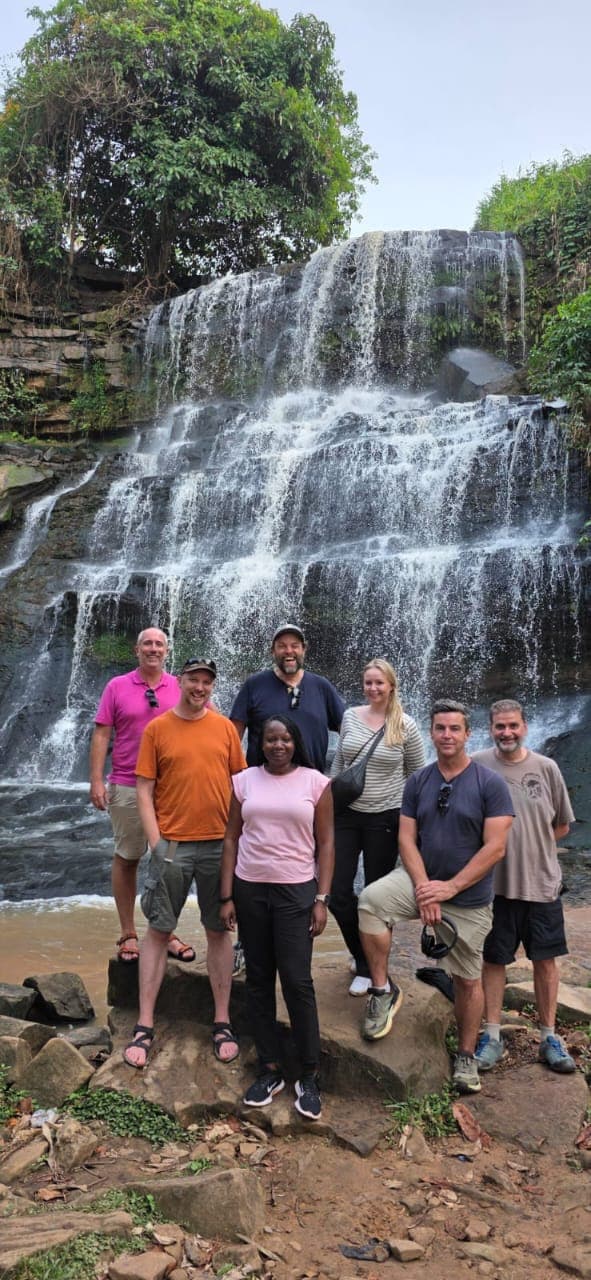
If you're planning a wider West Africa trip, Ghana's Kakum National Park has a similar canopy walkway concept — shorter than LCC's 401 meters, but set inside genuine rainforest rather than Lagos's wetland-and-mangrove ecosystem, with a different wildlife profile. Neither makes the other redundant if your itinerary includes both Nigeria and Ghana — they're different ecosystems with a similar structural idea, and seeing both gives a fuller sense of West Africa's ecological range rather than one canopy walkway standing in for the whole region. See our Top 10 Things to Do in Ghana guide for the Kakum side of that comparison.
Is it worth it?
Yes, and it pairs naturally with the rest of a Lagos itinerary — Nike Art Gallery, Lekki and Elegushi beaches, and Lagos's nightlife scene are all within a reasonable radius. For a first-time Lagos visitor deciding what to prioritize with limited time, LCC is one of the more reliably worthwhile stops: genuinely distinctive (Africa's longest canopy walkway isn't a marketing exaggeration), reasonably priced, and manageable in two to three hours rather than requiring a full day. See our Complete Nigeria Travel Guide 2026 for how it fits into a wider Lagos itinerary, or our 20 Best Things to Do in Nigeria list for other stops nearby.
What else is worth doing nearby?
Lekki is one of the busiest parts of Lagos, so LCC combines easily with other stops. Lekki and Elegushi beaches are the main leisure draws, the Nike Art Gallery is a short drive away, and the wider Lekki and Victoria Island corridor has Lagos's strongest dining and nightlife scene.
For heritage, plan Badagry or Abeokuta on a different day rather than trying to add them to a Lekki morning. Our best things to do in Nigeria guide shows how to sequence them, and the Badagry heritage guide covers the slave-route day trip.
What should you read next?
Frequently asked questions
What is Lekki Conservation Centre known for?
Africa's longest canopy walkway — a 401-meter suspended walkway across six towers, offering treetop views over a 78-hectare wetland and mangrove reserve on the eastern edge of Lagos.
How much does it cost to visit Lekki Conservation Centre?
Around ₦5,000 (roughly $4) for adult entry, plus an additional ₦1,500 (roughly $1) for the canopy walk itself — confirm current pricing at the gate, since it has changed more than once in recent years.
What are the opening hours for Lekki Conservation Centre?
8:30am to 5pm, seven days a week, including public holidays.
Is Lekki Conservation Centre safe for children?
Generally yes — the canopy walkway is manageable for most older children, though very young children or anyone with a serious fear of heights should be mindful of the elevated, gently swaying sections.
How long does a visit to Lekki Conservation Centre take?
Two to three hours covers the canopy walkway and a walk through the ground-level trails comfortably, without needing to rush.
What is the best time of day to visit?
Shortly after the 8:30am opening, when temperatures are coolest, the light is soft and the walkway is quietest. Weekdays are noticeably calmer than weekends, which draw more local families and groups.
Can I combine Lekki Conservation Centre with other Lagos attractions?
Yes. It pairs well with the Nike Art Gallery, Lekki or Elegushi beaches and an evening out in Victoria Island. Keep heritage day trips such as Badagry and Abeokuta for a separate day to avoid long drives and rushed visits.
How do I get to Lekki Conservation Centre from central Lagos?
It's roughly 30–45 minutes from Victoria Island or Lekki Phase 1 by road, depending on traffic — reachable directly via ride-hailing apps, or as part of a guided Lagos itinerary that removes the traffic-timing guesswork.