


Benin
Cradle of Voodoo Culture
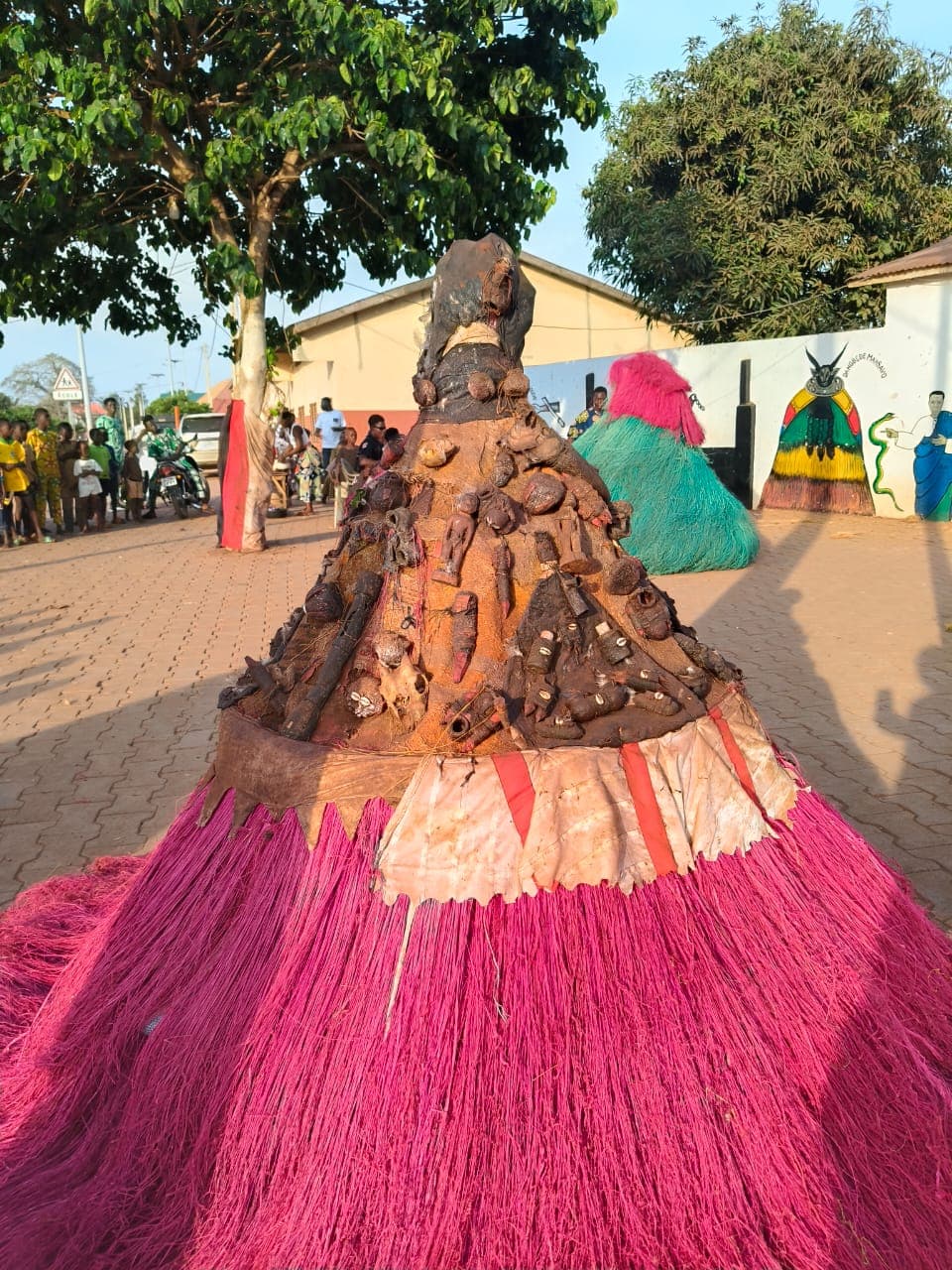
Voodoo here is an officially recognized religion practiced openly, not a horror-movie stereotype — and Ouidah's National Voodoo Festival each January is one of the only places on earth to witness it firsthand.
Discover Benin
Benin is small enough to cover in under a week but dense with history most travelers have never heard of. Ouidah's Door of No Return marks the exact point where captives left Africa during the slave trade — you walk the Route des Esclaves that leads there. Twelve kings ruled from the earthen walls of the Royal Palaces of Abomey, now UNESCO-listed. Take a boat through Ganvié, home to roughly 30,000 people living on stilts over Lake Nokoué, built there centuries ago to escape slave raiders.
Tropical and humid along the coast, semi-arid in the north. Two rainy seasons in the south.
Highlights
- Ganvié - Africa's Venice
- Voodoo Festival (second Friday of January)
- Royal Palaces of Abomey (UNESCO)
- Ouidah - Door of No Return
- Temple of Pythons
- Porto-Novo's colonial architecture
Must-See Attractions
Explore the best of Benin with these handpicked destinations

Ganvié Floating Village
The largest lake village in Africa, built entirely on stilts on Lake Nokoué. Experience life on the water with the Tofinu people.

Ouidah Museum of History
Former Portuguese fort now housing artifacts from the slave trade era. Walk the haunting 'Route des Esclaves' to the beach.

Temple of Pythons
Sacred Voodoo temple in Ouidah where you can interact with dozens of royal pythons considered sacred and protective.

Royal Palaces of Abomey
UNESCO World Heritage Site. Former home of 12 kings of the Dahomey Kingdom, with impressive earthen walls and historical artifacts.

Pendjari National Park
One of West Africa's best wildlife parks. See lions, elephants, leopards, and various antelope species in their natural habitat.

Cotonou Dantokpa Market
West Africa's largest open-air market. A sensory overload of colors, sounds, and smells. Everything is sold here!
Plan Your Visit
Currency
West African CFA franc (XOF)
Language
French, Fon, Yoruba
Timezone
GMT+1
Electricity
220V, 50Hz (Type E plugs)
Best Time to Visit
November to February (dry season). January is ideal for the famous Voodoo Festival.
Visa Requirements
Most nationalities need an e-Visa, applied for online before travel. Fees vary by nationality and stay, so confirm on Benin's official e-Visa portal.
Culture & Traditions
Festivals
- • Voodoo Day (second Friday of January) - National celebration of Voodoo culture
- • Gelede Festival - Yoruba masquerade celebrating mothers
- • Egungun Festival - Honoring ancestors
Traditional Food
- • Pâte (cornmeal) with various sauces
- • Acarajé - fried bean cakes
- • Akkra - black-eyed pea fritters
- • Grilled fish with spicy sauce
- • Wagashi - local cheese
Cultural Tips
- • Voodoo is an official religion and deeply respected
- • Always ask before photographing ceremonies or people
- • Remove shoes when entering sacred spaces
- • Bargaining is expected in markets
Benin Travel FAQ
How much does a trip to Benin cost?
Benin is most commonly visited as part of a multi-country itinerary. Ucomeafrik Tours' 8-Day Voodoo Festival Tour covering Togo & Benin starts at $1,950 per person, including ground transportation, accommodation, guided site visits, and most meals; international flights are separate. On the ground independently, budget $50–$90 per day outside of guided tour costs.
Is Benin safe to visit as a tourist?
Benin is one of the more stable and tourist-friendly countries in West Africa, especially along the well-traveled Cotonou–Ouidah–Abomey–Ganvié route. As with anywhere, travel with a local guide, keep valuables secure in markets, and check current government travel advisories before departure.
What is the best time to visit Benin?
The best time to visit Benin is November to February, during the dry season. January is especially significant, as it includes the National Voodoo Festival on the second Friday of January — Benin's most important cultural celebration and a genuinely unique experience found nowhere else in the world.
Do I need a visa to visit Benin?
Most visitors need a visa for Benin. An e-visa is available online in advance, and visa-on-arrival is available for some nationalities for approximately $50–$75. Confirm current requirements for your nationality with the Beninese embassy or consulate before booking.
Tours in Benin
Explore our curated tours featuring the best of Benin



Explore More Destinations
Discover other amazing destinations in the coastal region


