


Nigeria
Giant of Africa
Nigeria's safety reputation doesn't match most travelers' actual experience in Lagos, Abuja, and the southwest — the areas our tours cover, and where Afrobeats, Nollywood, and some of West Africa's best food come from.
Discover Nigeria
Most travel advisories about Nigeria concern the northeast and northwest — regions our tours don't go near. In Lagos, Abuja, Abeokuta, and Calabar, the real friction points are traffic and heat, not danger. Climb Olumo Rock in Abeokuta, birthplace of writer Wole Soyinka, for a view over the Egba heartland. Walk the Osun-Osogbo Sacred Grove, a UNESCO site where the annual August festival draws Yoruba worshippers from across the diaspora. In Lagos, the Lekki Conservation Centre has Africa's longest canopy walkway, a few minutes from some of the city's best suya stands.
Tropical in the south, arid in the north. Varied climate due to the country's large size.
Highlights
- Lagos - Africa's entertainment capital
- Abuja - modern planned capital city
- Yankari National Park - wildlife safaris
- Zuma Rock - iconic natural landmark
- Calabar Carnival (December)
- Ancient city of Kano
- Osun-Osogbo Sacred Grove (UNESCO)
- Nike Art Gallery - largest in West Africa
Must-See Attractions
Explore the best of Nigeria with these handpicked destinations

Lekki Conservation Centre
Urban nature reserve in Lagos with Africa's longest canopy walkway, monkeys, crocodiles, and diverse birdlife.
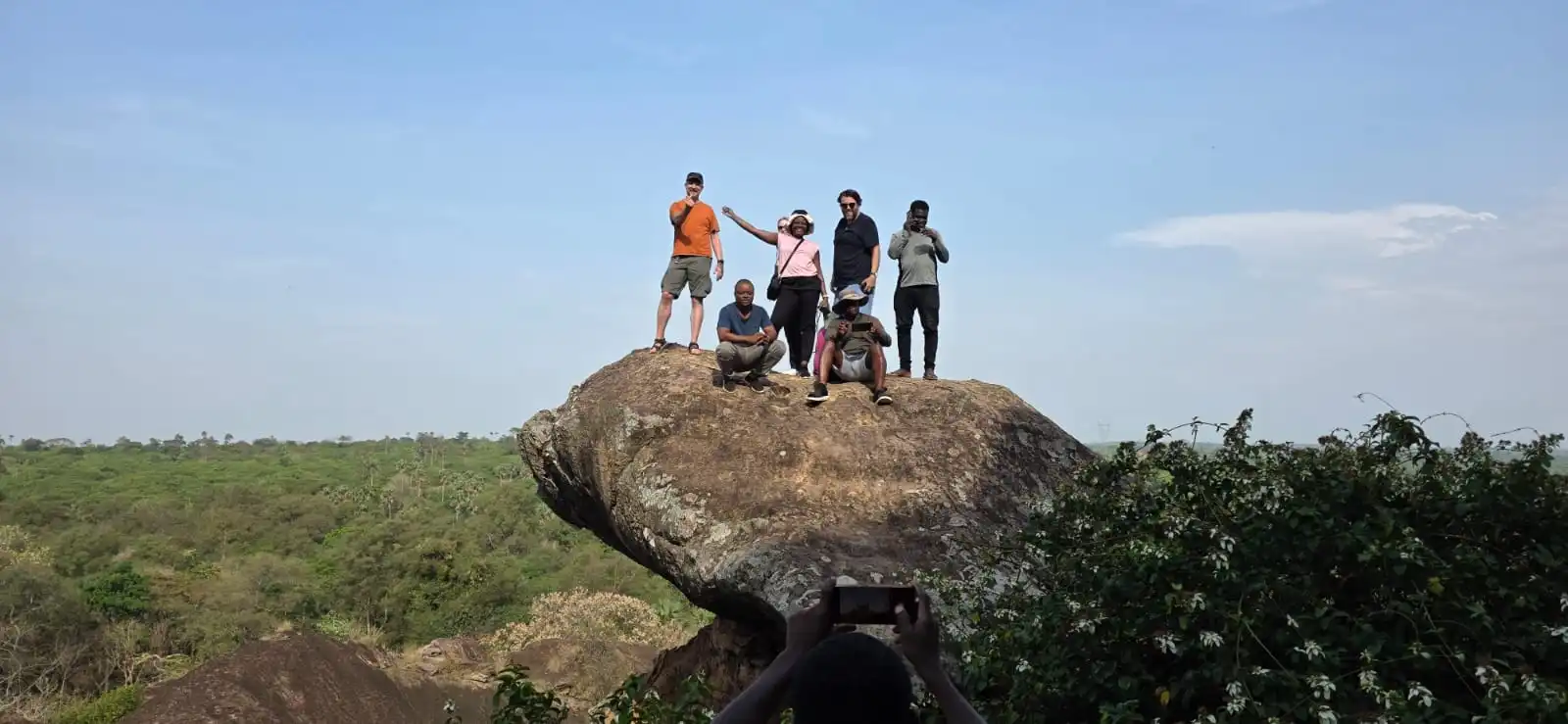
Olumo Rock
Historic rock formation in Abeokuta offering panoramic views and insight into Egba history. Climb or take the elevator!

Yankari National Park
Nigeria's premier wildlife destination. See elephants, baboons, and over 350 bird species. Natural warm springs for swimming.

Osun-Osogbo Sacred Grove
UNESCO World Heritage Site. Sacred forest with shrines, sculptures, and the annual Osun-Osogbo Festival. Deeply spiritual.
Nike Art Gallery
Four-story building housing over 8,000 artworks. West Africa's largest art gallery showcasing Nigerian creativity and craftsmanship.

Idanre Hills
Ancient hillside settlement with 660 steps, stunning views, and historical significance. UNESCO World Heritage tentative list.
Plan Your Visit
Currency
Nigerian Naira (NGN)
Language
English, Hausa, Yoruba, Igbo, Pidgin
Timezone
GMT+1
Electricity
230V, 50Hz (Type D, G plugs)
Best Time to Visit
November to February (dry season). December is festival season with Calabar Carnival and Detty December in Lagos.
Visa Requirements
Mandatory pre-departure e-Visa for all non-ECOWAS nationals — visa-on-arrival ended entirely on August 4, 2025. Apply online in advance; typical processing is 24–48 hours.
Culture & Traditions
Festivals
- • Calabar Carnival (December) - Africa's biggest street party
- • Osun-Osogbo Festival (August) - Sacred celebration
- • Eyo Festival - Lagos cultural heritage
- • Durbar Festival - Northern Nigeria's grand equestrian display
- • Argungu Fishing Festival - Massive cultural fishing event
Traditional Food
- • Jollof Rice - Nigeria's national treasure
- • Suya - spicy grilled meat skewers
- • Pounded Yam with Egusi soup
- • Pepper soup - spicy and medicinal
- • Moi Moi - steamed bean pudding
- • Akara - bean cakes
- • Boli (roasted plantain) with groundnuts
Cultural Tips
- • Very diverse with over 500 ethnic groups
- • Lagos is fast-paced and entrepreneurial
- • Northern Nigeria is predominantly Muslim
- • Southern Nigeria has large Christian population
- • Nigerians are warm, expressive, and humorous
- • Traffic can be challenging in major cities
Nigeria Travel FAQ
How much does a trip to Nigeria cost?
A guided week-long trip to Nigeria with Ucomeafrik Tours typically runs $975–$2,190 per person depending on the itinerary — our 4-Day Abuja Tour starts at $975, while the 7-Day Calabar Tour is $1,750 and the 7-Day Osun-Osogbo Festival Tour is $2,190. These include ground transportation, accommodation, guided site visits, and most meals; international flights are separate and typically range from $700–$1,600 depending on your departure city. Independent budget travel on the ground can run $60–$120 per day.
Is Nigeria safe to visit as a tourist?
Nigeria is safe to visit for tourists who travel with experienced local guides, stick to well-established tourist routes in the south and southwest (Lagos, Abuja, Abeokuta, Calabar, Osun-Osogbo), and avoid regions under active travel advisories, particularly in parts of the northeast and northwest. Ucomeafrik Tours' guides are Nigerian locals who vet accommodations and transport and monitor conditions in real time — the same safety practices that support our 4.9/5 TripAdvisor rating.
What is the best time to visit Nigeria?
The best time to visit Nigeria is November to February, during the dry season. December is peak festival season, with the Calabar Carnival (Africa's biggest street party) and Lagos's 'Detty December' events. The Osun-Osogbo Festival, a UNESCO-recognized celebration of Yoruba heritage, takes place in August in Osogbo.
Do I need a visa to visit Nigeria?
Most nationalities need a visa to visit Nigeria. An e-visa is available online in advance, and visa-on-arrival is available for some nationalities at major airports for around $160. Requirements change periodically, so confirm current rules with the Nigerian embassy or consulate for your nationality before booking flights.
Tours in Nigeria
Explore our curated tours featuring the best of Nigeria



Glimpse of Nigeria

Explore More Destinations
Discover other amazing destinations in the coastal region


