The short version
From Zuma Rock and Olumo Rock to Lagos's art scene and lesser-known spots competitors skip — the 20 best things to do in Nigeria in 2026.
What are the best things to do in Nigeria?
The best things to do in Nigeria span natural landmarks (Zuma Rock, Olumo Rock, Yankari National Park), living cultural sites (the Osun-Osogbo Sacred Grove, Itoku Adire market), and Lagos's genuinely world-class art and music scene — with a handful of lesser-known spots most general travel-guide content skips entirely. This list mixes the essentials with the specific, and organizes by region so it doubles as a rough planning map, not just a ranked list.
Quick Facts
| Most iconic natural landmark | Zuma Rock, near Abuja |
| Most historically significant climb | Olumo Rock, Abeokuta |
| UNESCO World Heritage site | Osun-Osogbo Sacred Grove |
| Best city for art and nightlife | Lagos |
| Best region for wildlife | Yankari National Park, Bauchi State |
| Least-visited standout | Afi Mountain Wildlife Sanctuary, Cross River State |
Why are Nigeria's attractions more varied than most coverage suggests?
Most general "Africa attractions" content leans on savanna-and-wildlife imagery that doesn't reflect Nigeria's actual draw. Nigeria's strongest attractions are a mix of historically dense landmarks (Olumo Rock), living religious and cultural sites (Osun-Osogbo), a genuinely serious contemporary art and music scene (Lagos), and pockets of real, under-visited biodiversity (Cross River's rainforest and primate sanctuaries) — closer in character to a country with deep urban culture and specific historical sites than a wildlife-safari destination. That mix is part of why a well-planned Nigeria trip rewards more research than defaulting to a single "top 5" list assembled from generic Africa-wide content.
How this list is organized
Rather than a single flat ranking, this list groups attractions by region, since that's how a real Nigeria itinerary actually gets built — you're rarely choosing between a Lagos beach and a Calabar rainforest sanctuary on the same day, you're deciding which region to prioritize and then which stops within it matter most. Numbers 1–11 cover Lagos and Abuja, the two most commonly visited hubs; 12–15 cover Abeokuta's Yoruba heritage cluster; 16–18 cover Calabar and Cross River; and 19–20 extend further afield for travelers with more time or a specific interest in the north.
Lagos
- Lekki Conservation Centre — a genuine rainforest reserve inside a megacity, with West Africa's longest canopy walkway and real wildlife (monkeys, monitor lizards, birdlife) rather than a manicured park.
- Nike Art Gallery — one of West Africa's largest private art galleries, four floors of contemporary Nigerian and West African art, founded by textile artist Nike Davies-Okundaye.
- Lekki and Elegushi beaches — Lagos's main beach scene, busiest and liveliest on weekends and during Detty December specifically.
- Freedom Park — a former colonial prison converted into a cultural and event space, useful for a sense of Lagos's layered history in one compact site.
- Balogun Market — sprawling, chaotic, and genuinely useful for fabric, souvenirs, and a real slice of Lagos commerce, best visited with a guide who can help navigate the scale of it.
- Afrobeats nightlife — Lagos's live music scene is a legitimate draw in its own right, not a side note; venues across Victoria Island and the mainland host everything from major concerts to intimate live sets.
Abuja and around
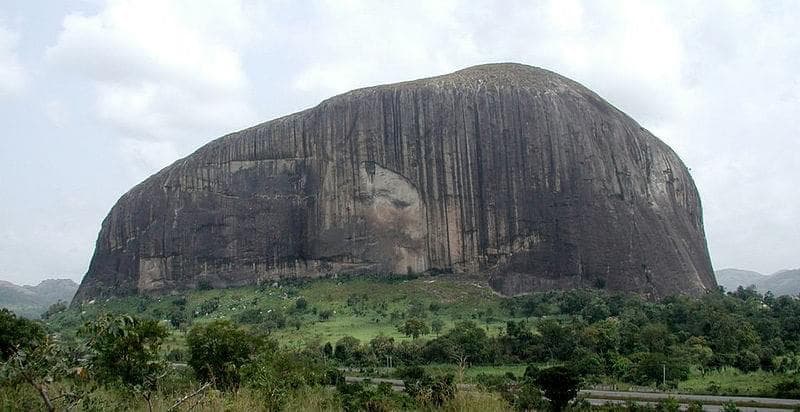
- Zuma Rock — a striking monolithic outcrop roughly an hour from central Abuja, visible from the highway and worth a proper stop rather than a driving-past glance.
- Abuja National Mosque — the National Mosque's striking modern architecture and golden dome make it one of the city's most photographed landmarks; respectful dress required.
- National Christian Centre — Abuja's counterpart landmark, notable architecture reflecting the city's planned, symbolic layout as a religiously neutral federal capital.
- Millennium Park — Abuja's largest public park, a straightforward, pleasant stop for a break between more intensive sightseeing.
- Aso Rock — the granite outcrop overlooking the presidential villa, more a backdrop and photo point than a climbable attraction, but a genuine Abuja landmark.
Abeokuta and Yoruba heritage sites
- Olumo Rock — the 137-meter granite outcrop the city of Abeokuta was founded around in 1830, and one of southwestern Nigeria's most historically significant climbs. Full guide: Abeokuta & Olumo Rock: Complete 2026 Guide.
- Itoku Adire Market — Abeokuta's tie-dye textile market, genuinely worth visiting for the craft itself, not just as a shopping stop.
- Osun-Osogbo Sacred Grove — a UNESCO World Heritage site and living Yoruba religious site along the Osun River, most vivid during its late-July-to-August festival, which draws several hundred thousand participants at its grand finale.
- Ake Palace — the seat of the Alake, Abeokuta's paramount Yoruba ruler, offering real insight into the city's traditional governance structure.
Calabar and Cross River
- Carnival Calabar — Africa's biggest street party, running its main calendar November through early January with headline parade days December 26–31. Full guide: Calabar Tours, Vacation Packages & Carnival 2026.
- Cross River National Park — genuine rainforest, one of Nigeria's most significant remaining primary forest areas.
- Afi Mountain Wildlife Sanctuary — home to drill monkeys and Cross River gorillas, found almost nowhere else on Earth; one of West Africa's more important conservation sites and still relatively unknown to international travelers.
Further afield
- Yankari National Park, Bauchi State — Nigeria's best-known wildlife reserve, with elephants, and the Wikki Warm Spring, a genuinely striking natural warm-water spring inside the park.
- Kano's ancient city walls and Sabuwar Kofa gate — for travelers extending into the north where our tours operate, Kano offers centuries of Hausa-Fulani urban history in a still-functioning, lived-in old city rather than a preserved museum piece.
How do you get between these attractions?
Lagos's attractions cluster closely enough to combine several in a day with reasonable planning around traffic. Abuja and Zuma Rock work well as a single day, since the rock is roughly an hour from the city center. Abeokuta's three stops (Olumo Rock, Itoku Adire, Ake Palace) fit comfortably into one day trip from Lagos. Calabar and its surrounding sites (Cross River National Park, Afi Mountain) are better treated as their own multi-day base rather than a day trip, given the distance from Nigeria's other hubs — domestic flights connect Calabar to Lagos and Abuja directly, which is the practical way to add it to a wider itinerary. The far north (Kano, Yankari) is a genuinely separate leg best planned as its own multi-day segment rather than an add-on to a southern itinerary.
What should you bring for a day of sightseeing?
Closed-toe shoes with real grip matter for Olumo Rock and any of the rainforest or wildlife sites (Lekki Conservation Centre, Cross River National Park, Afi Mountain), where the terrain is uneven rather than paved walkways. Sun protection and water are worth carrying at any outdoor site given Nigeria's tropical heat, especially at Zuma Rock and other spots with minimal shade. Cash in small naira denominations helps at markets like Itoku Adire and Balogun, where card acceptance is inconsistent among individual vendors even though larger venues increasingly accept cards.
What are Nigeria's hidden gems?
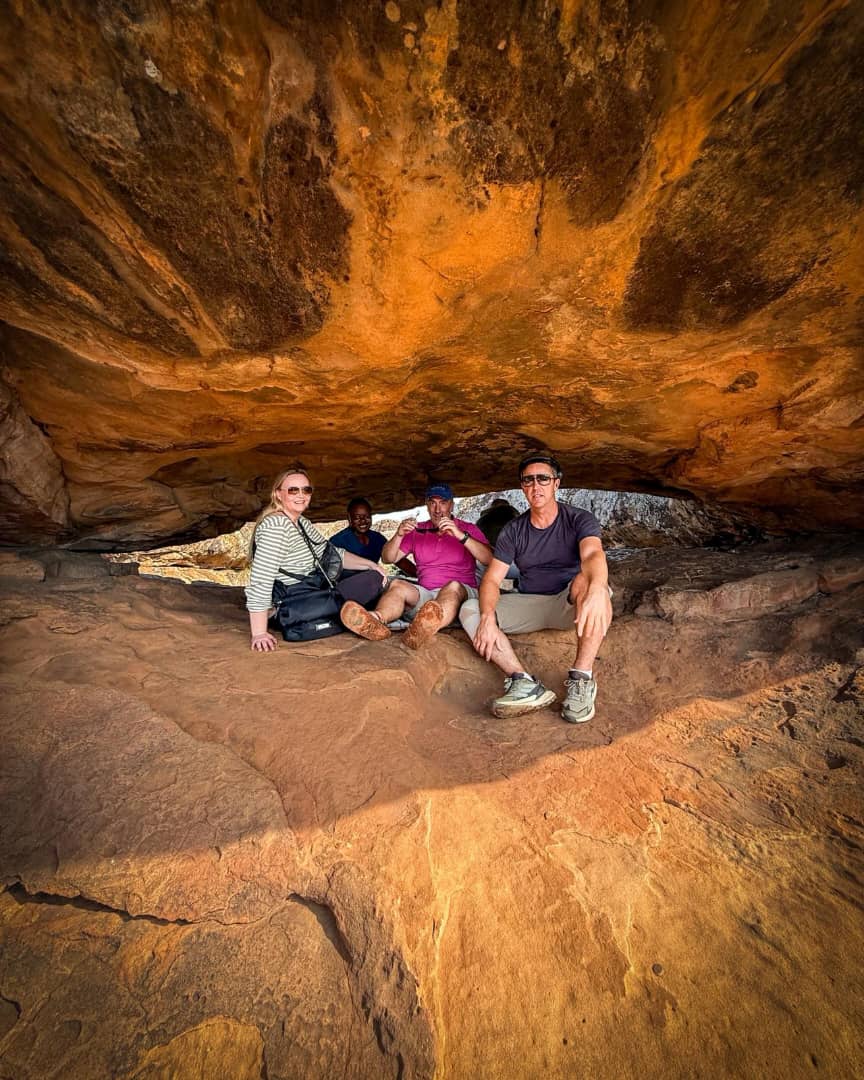
Beyond the standard list, two spots worth flagging specifically because general tourism-board content tends to skip them: the Osun River itself, upstream and downstream of the main grove, offers a quieter version of the sacred-grove experience outside festival season; and Abeokuta's smaller Egba historical sites beyond Olumo Rock and Ake Palace — several caves and vantage points used during the 19th-century Egba settlement period are pointed out by local guides but rarely make it into standard write-ups, since they're not individually signposted attractions.
What are the best attractions by trip length?
3–4 days: Focus on one region — Lagos (Lekki Conservation Centre, Nike Art Gallery, beaches) or Abuja plus Zuma Rock. Trying to cover more than one region in under four days usually means more time in transit than at the attractions themselves.
7 days: Lagos plus Abeokuta (Olumo Rock, Itoku Adire, Ake Palace) works well as a single week, or Calabar alone if carnival timing or the region's rainforest sites are the priority.
10–14 days: Enough time to combine Lagos, Abeokuta, and either Calabar or the north (Kano, Yankari) without rushing — this is where our Northern Nigeria Tour and longer multi-region itineraries come in, since a trip this length benefits from a guide handling the logistics between regions that don't share a straightforward road connection.
What should you read next?
Frequently asked questions
What is the most famous natural landmark in Nigeria?
Zuma Rock, near Abuja, is Nigeria's most recognized natural landmark — a striking monolithic outcrop visible from the highway and a common symbol of the capital region.
What are the best things to do in Lagos specifically?
Lekki Conservation Centre, Nike Art Gallery, Lekki and Elegushi beaches, and the city's live Afrobeats nightlife scene are Lagos's standout draws, alongside markets like Balogun for a real commercial slice of the city.
Is Olumo Rock worth visiting?
Yes — it's one of southwestern Nigeria's most historically significant sites, not just a scenic climb, since it's the reason the city of Abeokuta exists where it does. Full details: Abeokuta & Olumo Rock: Complete 2026 Guide.
What's a good hidden gem in Nigeria most guides skip?
Afi Mountain Wildlife Sanctuary in Cross River State — home to drill monkeys and Cross River gorillas found almost nowhere else, and still relatively unknown to international travelers compared to its ecological significance.
How many days do I need to see the top attractions in Nigeria?
A focused week covering one or two regions (Lagos plus Abeokuta, or Abuja plus Zuma Rock) works well. Seeing attractions across Lagos, Abuja, Calabar, and the north in one trip realistically needs two weeks or more, or should be split across multiple visits.
What's the best wildlife destination in Nigeria?
Yankari National Park in Bauchi State is Nigeria's best-known reserve, with elephants and the Wikki Warm Spring; Cross River National Park and the Afi Mountain Wildlife Sanctuary offer a quieter, rainforest-focused alternative.