The short version
Calabar vacation packages and Carnival Calabar 2026 explained: what a tour includes and costs, carnival dates and how it compares to Detty December.
What's included in a Calabar vacation package, and when is Carnival Calabar 2026?
A Calabar vacation package typically includes ground transport, guided sightseeing, accommodation and entry fees, running roughly $150 to $400 per day depending on group size and season. Carnival Calabar, often called Africa's biggest street party, runs its main calendar from November 1 through January 1.
The headline events cluster between December 26 and 31, with an opening ceremony at the U.J. Esuene Stadium on Boxing Day. This guide covers what a Calabar trip involves and costs, and how to plan around the carnival.
Quick Facts
| Carnival Calabar 2026 headline dates | December 26–31 |
| Carnival opening ceremony | December 26, U.J. Esuene Stadium |
| 2026 carnival theme | "Rethinking Our Collective Destiny" |
| Typical package length | 6–7 days |
| Typical daily cost (guided) | $150–$400 per person |
| Best paired with | Lagos (Detty December overlap), Abeokuta |
What is Carnival Calabar?
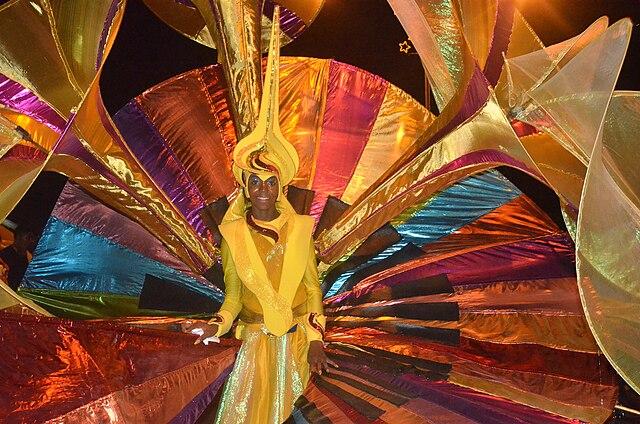
Carnival Calabar is an annual month-long festival culture in Cross River State's capital, built around costumed street parades, band competitions, live music, and a genuinely massive street-party atmosphere in the final days of December — regularly described as Africa's biggest street party by scale. It grew out of Cross River State's tourism push in the early 2000s and has become one of Nigeria's signature cultural exports, drawing visitors from across Nigeria and increasingly from the diaspora specifically for the carnival window. Costumed "bands" — organized groups with elaborate, planned outfits and choreography — compete during the main parade days, similar in spirit to Trinidad's carnival tradition but distinctly Nigerian in music, styling, and energy.
2026 dates and schedule
The full Carnival Calabar 2026 calendar runs from November 1 through January 1, with preparatory events building toward the main event: a first dry run on October 18, a second on November 22, a final dry run on December 6, and a junior dry run on December 13. The headline period is December 26–31, opening with a ceremony at the U.J. Esuene Stadium on Boxing Day (December 26), followed by band rehearsals, cultural events, and the main street parades through the following days. This year's theme is "Rethinking Our Collective Destiny." Confirm the exact day-by-day parade schedule against the official Cross River State carnival site as the date approaches, since specific timings are finalized closer to the event.
How Calabar Carnival compares to Lagos's Detty December
Both happen in the same broad December window and both pull serious diaspora and international visitor numbers, but they're different experiences. Detty December in Lagos is a spread-out month of concerts, beach events, and nightlife across a sprawling megacity, with no single unifying event — it's a season, not one thing. Carnival Calabar is more concentrated: a specific city, a specific parade-and-performance format, and a more contained, walkable footprint that makes it easier to actually experience in full over a few days rather than choosing between dozens of simultaneous Lagos events. Some travelers combine both — Lagos earlier in December, Calabar for the carnival's final days — though that requires careful logistics given both cities' peak-season transport and accommodation demand. See our full Detty December guide for the Lagos side of that comparison.
What a Calabar vacation package includes
A well-structured Calabar package should explicitly cover: ground transport from arrival (Calabar has its own airport, Margaret Ekpo International), accommodation for the trip length, a guide for sightseeing and carnival navigation, and entry fees for the attractions on the itinerary — the Cross River area has genuine rainforest and cultural sites beyond the carnival itself, including proximity to Afi Mountain and Cross River National Park for travelers wanting to extend beyond the city. If carnival tickets or grandstand access are part of the plan, that should be itemized separately and explicitly, not folded into a vague "carnival access included" line — grandstand and VIP viewing pricing varies significantly and should be transparent. Our 7-Day Calabar Tour covers this exact structure — ground transport, guided sightseeing, and accommodation for a full week, with the itinerary adjustable around the carnival calendar if you're timing your trip for December specifically.
How much does a Calabar trip cost?
Expect a guided Calabar package to run roughly $150–$400 per person per day depending on accommodation tier, group size, and whether it's carnival season (which carries a real price premium, similar to Lagos's December surge). For a full week, that puts a guided trip in the rough range of $1,000–$2,800 per person, excluding international flights — with December pricing consistently at the top of that range, sometimes above it, given the same demand-outstripping-supply dynamic that drives Detty December's overpricing issues. Budget, independently-arranged travel can come in lower day-to-day but loses the vetted transport and carnival-navigation value a local guide adds specifically during the year's busiest week in the city. For the country-wide version of this cost breakdown, see How Much Does a Trip to Nigeria Cost?
Beyond carnival: Calabar the rest of the year
Calabar outside of December is a genuinely different, quieter trip worth considering on its own terms — a walkable, notably clean city (Cross River State has invested visibly in this) with the Slave History Museum, Marina Resort, and easy access to Cross River National Park's rainforest and the Afi Mountain Wildlife Sanctuary, home to drill monkeys and Cross River gorillas found almost nowhere else. If your interest is more cultural-history and nature than carnival specifically, a non-December visit avoids the peak-season price premium entirely while still delivering most of what makes Calabar worth visiting.
How do you get to Calabar?
Calabar has its own airport (Margaret Ekpo International Airport) with domestic connections from Lagos and Abuja, making it a straightforward add-on rather than a difficult logistics puzzle — no long overland journey required from Nigeria's other major hubs. During carnival season specifically, book flights well in advance; domestic capacity into Calabar is limited relative to the surge in December demand, and prices climb accordingly the closer you get to the date.
What to pack for Carnival Calabar
December in Calabar is still tropical — warm, humid days and mild evenings, so pack for heat first. Comfortable, closed shoes matter more than they might seem to for a street party: the main parade routes involve hours of standing and walking on paved roads packed with crowds. Bring cash in small naira denominations for street vendors and informal transport, since card acceptance is inconsistent outside formal venues, and a portable phone charger — carnival days run long, and phone batteries don't. If you're attending grandstand or VIP viewing, confirm exactly what that ticket includes (seating, shade, refreshments) before the day, since standards vary between events.
How should you book for carnival season?
Book both flights and accommodation at least two to three months ahead of a December Calabar trip — carnival-season capacity is genuinely limited, not just marketed as scarce, and prices rise steadily as the date approaches rather than offering last-minute deals. If a guided package's carnival-season pricing looks unusually low compared to others you're comparing, that's worth double-checking rather than treating as a lucky find — our guide to choosing a trustworthy Nigeria tour operator covers exactly this kind of red flag in more depth.
Where should you stay in Calabar?
Most visitors base themselves near the Marina Resort or Calabar's central districts, both within easy reach of the carnival route and the city's main attractions on foot or a short ride. During carnival week, proximity to the parade route matters more than usual — accommodation further out means longer, more crowded return trips late at night when the city's roads are at their busiest. Book carnival-week accommodation specifically, not just "Calabar in December" generally, since some properties fill around the parade dates well before the rest of the month does.
Frequently asked questions
When is Calabar Carnival 2026?
The full carnival calendar runs November 1 through January 1, with the headline parade events concentrated December 26–31 and an opening ceremony at the U.J. Esuene Stadium on December 26.
What does a Calabar vacation package typically include?
Ground transport, accommodation, guided sightseeing, and entry fees for attractions on the itinerary. Carnival tickets or grandstand access, if included, should be itemized separately and explicitly.
How much does a Calabar tour cost?
Roughly $150–$400 per person per day for a guided trip, or about $1,000–$2,800 for a full week, excluding international flights. December carnival-season pricing runs toward the higher end of that range.
Is Calabar Carnival worth visiting?
Yes — it's widely regarded as Africa's biggest street party, with a concentrated, walkable format that makes it easier to experience fully than Lagos's more spread-out Detty December season, though both are worth considering depending on what kind of experience you want.
How is Calabar different from Lagos during December?
Calabar's carnival is a specific, concentrated event with a defined parade schedule and a compact city footprint. Lagos's Detty December is a month-long spread of separate concerts, beach events, and nightlife across a much larger, more sprawling city.
How do I get to Calabar?
Calabar has its own airport, Margaret Ekpo International, with domestic flight connections from Lagos and Abuja — no long overland trip is required.
Is Calabar safe to visit?
Yes, Calabar is one of the cities our tours operate in and is broadly safe for prepared visitors taking normal precautions, distinct from Nigeria's higher-risk northeast and northwest regions. See our full Nigeria safety guide for the region-by-region picture.