The short version
When to visit Nigeria in 2026, month by month — dry season timing, festival dates, Detty December, and how the best time shifts by region.
When is the best time to visit Nigeria?
November through March is the best general window to visit Nigeria — the dry season, with cooler mornings, less rain, and the clearest conditions for sightseeing and climbs like Olumo Rock. Within that window, your ideal month depends on what you want: December for Detty December's festive energy (at peak prices), late July into early August for the Osun-Osogbo Festival, or the quieter shoulder months of January through March for the same dry-season comfort at a fraction of December's cost.
Quick Facts
| Dry season | November–March |
| Wet season | April–October |
| Cheapest comfortable window | January–March |
| Highest-energy (and highest-priced) month | December |
| Major festival months | July–August (Osun-Osogbo), December (Detty December, Calabar Carnival) |
| Harmattan season | December–February, most noticeable in the north |
Does the best time depend on what you want?
There isn't a single universally correct answer here, and it's worth being upfront about that rather than collapsing everything into one recommended month. A traveler optimizing for comfortable weather and lower prices wants a different month than one optimizing for festival energy, and both are reasonable priorities. This guide is built around that distinction — a general recommendation for most travelers, plus specific guidance for the two priorities (festivals, and avoiding crowds/cost) that most commonly override the general advice.
What do "dry season" and "wet season" actually feel like?
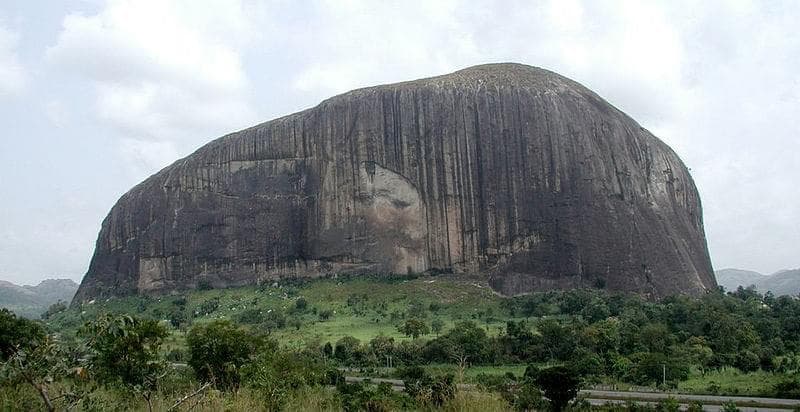
"Dry season" doesn't mean zero rain, and "wet season" doesn't mean constant downpour — both descriptions are about pattern and probability, not absolutes. During the dry season, you can reasonably expect several consecutive rain-free days at a time, with humidity noticeably lower than the wet-season baseline, which is what makes outdoor activity — climbing Olumo Rock, walking Lekki Conservation Centre's canopy walkway, a day at Zuma Rock — meaningfully more comfortable. During the wet season, rain tends to arrive in defined afternoon or evening bursts rather than all-day steady rainfall, so mornings are often still workable for sightseeing even in the wetter months; it's the unpredictability, more than the volume, that makes wet-season planning harder than dry-season planning.
What are Nigeria's two seasons?
Nigeria runs on two broad seasons rather than four. The dry season, roughly November through March, brings less rain, lower humidity, and clearer skies — the most comfortable stretch for sightseeing across the south, and the season most guided tours are built around. The wet season, roughly April through October, brings regular rainfall, especially intense from June through September, along with higher humidity throughout. Neither season makes travel impossible — Nigeria is visitable year-round — but the dry season is the meaningfully easier window for most standard sightseeing itineraries.
What is the weather like in Nigeria each month?
January–February — Peak dry season comfort, with the Harmattan (a dry, dusty wind off the Sahara) at its most noticeable, particularly in the north. Good visibility, cooler mornings, and post-Detty-December pricing back to normal levels by mid-January. A genuinely strong, underrated window.
March — Still dry-season conditions in most of the south, with temperatures beginning to climb toward the year's hottest stretch. A solid window before the wet season sets in.
April–May — The wet season begins, with increasing rainfall through the south. Not the ideal window for a first trip focused on outdoor sightseeing, though rain typically comes in defined bursts rather than constant all-day downpours.
June–September — The wettest stretch of the year across most of the country, with the heaviest rainfall in June through September specifically. Travel is still possible, but expect more schedule disruption and less ideal conditions for climbs like Olumo Rock.
Late July–early August — The Osun-Osogbo Festival, a major Yoruba religious and cultural event at the UNESCO-listed sacred grove in Osogbo, with its grand finale drawing several hundred thousand participants. Worth planning around specifically if Yoruba cultural heritage is a trip priority, even though it falls in the wet season.
October — The wet season tapers off, transitioning toward drier conditions. A reasonable shoulder-season option as rainfall decreases.
November — The dry season returns, and Detty December's early wave begins — increasing event activity and diaspora arrivals build through the month without yet hitting peak pricing. A strong window for travelers who want festive-season energy without December's full premium.
December — Nigeria's highest-energy and highest-priced month. Detty December runs its peak from roughly mid-November through early January, and Carnival Calabar's headline events run December 26–31. Book flights and accommodation well ahead if visiting this month — see our full Detty December 2026 guide for planning specifics.
How timing shifts by region
Nigeria's size means "best time to visit" isn't identical everywhere. The south (Lagos, Abeokuta, Calabar) follows the tropical wet/dry pattern described above fairly consistently. The far north, edging into the Sahel, sees a more pronounced Harmattan season (December–February) with hazier skies and cooler, drier air, alongside a shorter, more intense wet season than the south experiences. If a Northern Nigeria itinerary is part of your plan, the November–February window is particularly strong, since Harmattan conditions there are genuinely part of the seasonal character rather than a drawback. See our full geography and region guide for how Nigeria's climate zones map across the country.
When are Nigeria's biggest festivals?
If a specific festival is the reason for your trip, let that drive your dates rather than defaulting to the general dry-season recommendation. The Osun-Osogbo Festival (late July–early August) falls in the wet season but is worth it on its own terms for the cultural significance. Detty December and Carnival Calabar (both December, overlapping calendars) are dry-season events and the highest-priced window of the year — see our dedicated guides to Detty December and Calabar Carnival for full planning detail on each.
What should you pack for each season?
Dry season (November–March): lighter layers for warm days, something warmer for cooler mornings and evenings, and a scarf or light cover if you're heading north into Harmattan conditions, where dust and haze are part of the season. Wet season (April–October): a compact rain jacket or umbrella, quick-dry clothing, and closed-toe shoes with grip for wet, uneven terrain at outdoor sites like Olumo Rock. Sun protection matters year-round given Nigeria's tropical latitude, regardless of season.
If you're combining Nigeria with a neighboring country
Timing gets a bit more involved if Nigeria is part of a wider West Africa itinerary with Ghana, Benin, or Togo, since all three broadly share Nigeria's dry-season/wet-season pattern — meaning a well-timed multi-country trip works on largely the same calendar rather than requiring separate optimal windows for each stop. December carries the same festive-season premium across the region (Ghana has its own "December in GH" diaspora season, running in parallel with Nigeria's Detty December), so the same booking-ahead advice applies regardless of which countries are on your route. See our geography guide for how these countries connect, and our 9-Day Nigeria–Benin–Togo–Ghana Tour for an itinerary built around the combination.
When should you visit Nigeria to avoid crowds and high prices?
January through March is the strongest combination of dry-season comfort and reasonable pricing — Detty December's surge has passed, Harmattan conditions ease through February and March, and accommodation and guided-tour pricing return to baseline levels. If your priority is simply seeing Nigeria well without festival-specific timing constraints, this is the window worth defaulting to.
Typical conditions by season, south vs. north
| South (Lagos, Abeokuta, Calabar) | North (Kano and beyond) | |
|---|---|---|
| Dry season (Nov–Mar) | Warm, lower humidity, clear skies | Cooler mornings, Harmattan haze and dust |
| Wet season (Apr–Oct) | Regular rainfall, high humidity, heaviest Jun–Sep | Shorter, more intense wet season |
| Most comfortable window | December–February | November–February |
| What to watch for | December price surge, not weather | Reduced visibility during peak Harmattan (Dec–Jan) |
Treat this as a general planning guide rather than a precise forecast — Nigeria's regional climate varies enough that conditions on the ground can shift from what's typical for the season, so it's worth checking a closer-to-travel forecast once your dates are set.
Frequently asked questions
What is the best month to visit Nigeria?
January through March offers the best combination of dry-season comfort and reasonable pricing. December is the highest-energy month but also the most expensive, driven by Detty December.
Is Nigeria's rainy season bad for travel?
It's more disruptive than ideal, but not a reason to avoid Nigeria entirely — rain typically comes in defined periods rather than constant all-day downpours, and the wet season (April–October) still allows most travel, just with less ideal sightseeing conditions than the dry season.
When is Detty December 2026?
Roughly mid-November 2026 through early January 2027, with the highest-energy peak in the final week of December through New Year's.
When is the Osun-Osogbo Festival?
Late July into early August, with the grand finale typically in the first week of August at the UNESCO-listed sacred grove in Osogbo.
Is there a good time to visit Nigeria and avoid crowds?
January through March, after Detty December's peak has passed and before the wet season begins, offers dry-season comfort with far less crowding and pricing pressure than December.
Does the best time to visit change by region in Nigeria?
Yes — northern Nigeria's Harmattan season (December–February) is a distinct seasonal experience worth planning around if a Northern Nigeria itinerary is part of your trip, separate from the general south-focused dry season recommendation.