The short version
Ghana, Nigeria, Benin or Togo: where should a first-time West Africa visitor start? An honest comparison of budgets, seasons and trade-offs.
Where should a first-timer start? Ghana.
If this is your first trip to West Africa, start in Ghana. It's English-speaking, politically stable, has the region's most developed tourism infrastructure, and the "hardest" parts of travel here — money, transport, communication — are the easiest to manage of any country in the region. That's the consensus across most operators and guidebooks covering West Africa, and it matches what we see in the itineraries that actually work for first-timers.
That doesn't mean Ghana is the *only* good choice, or that it's better than Nigeria, Benin, or Togo in every way — it means it's the lowest-friction entry point. Once you've got a few days of West Africa under your belt, Nigeria's cities, Benin's Voodoo heritage, and Togo's compact variety are just as rewarding, and often more so. Most of our own multi-country travelers actually combine three or four of these countries in a single trip, because the region rewards it — more on that below.
Ghana, Nigeria, Benin, and Togo at a glance
Here's how the four countries we operate in stack up on the things that actually matter to a first-time visitor. Daily budget figures are for a mid-range traveler (private transport, 3-star-equivalent accommodation, guided activities) rather than backpacker-minimum survival costs — verify current numbers against a live currency/cost source before you book, since exchange rates in this region move often.
| Country | Official Language | Estimated Daily Budget (mid-range) | Best Season | Recommended Stay | Best For |
|---|---|---|---|---|---|
| Ghana | English | $60–$150/day | Nov–Mar (dry season) | 7–9 days | First-timers, easiest logistics |
| Nigeria | English | $50–$130/day | Nov–Feb (dry season) | 4–7 days | City energy, food, Yoruba/Igbo heritage |
| Benin | French | $50–$110/day | Dec–Apr (dry season) | 5–8 days | Voodoo heritage, compact history |
| Togo | French | $45–$100/day | Nov–Mar (dry season) | 3–5 days | Adding onto a Ghana/Benin trip |
A rough gut-check on the budget range: independent travel-cost trackers put Benin's daily costs at roughly $20–$50 for a leaner traveler (accommodation $12–$35/night, local meals $1–$3), which lines up with it sitting below Ghana on the table above. Treat the ranges here as planning inputs, not quotes — get a real quote for your dates and party size before committing to a number.
West Africa vs. East and Southern Africa: the comparison you're probably already making
If you've thought about an "Africa trip" before, you've probably pictured Kenya, Tanzania, or South Africa — safari vehicles, the Big Five, sweeping savanna. That's a legitimate, wonderful trip. It is also a completely different trip from what West Africa offers, and it's worth naming the difference directly rather than pretending West Africa is a budget substitute for a safari.
East and Southern Africa are built around wildlife-viewing infrastructure — lodges, game drives, conservancies. West Africa's draw is different: it's the density of human history and living culture. This is the region the transatlantic slave trade departed from — Cape Coast Castle in Ghana, the Door of No Return in Ouidah, Badagry outside Lagos — and it's also where Voodoo, the Ashanti Kingdom, the Dahomey Kingdom, and Yoruba spiritual tradition are not museum exhibits but practiced, present-day life. You'll see wildlife in West Africa too (Mole National Park in Ghana has one of the region's healthiest elephant populations), but that's not why people come. People come for Cape Coast's dungeons, Ouidah's Voodoo Festival, Kumasi's Golden Stool, and markets that have operated the same way for centuries.
Practically, West Africa is also usually cheaper to reach and move around in for anyone starting from Europe or the US East Coast, and dramatically cheaper and faster to reach for anyone in the West African diaspora. If the safari trip has been on your list because it's "the Africa trip everyone talks about," it's worth knowing this is a genuinely different, equally legitimate alternative — not a lesser one.
Ghana: the easiest first stop
Best for: first-timers who want the culture and history without having to solve logistics puzzles along the way.
Trade-off: as the most-visited of the four, some sites (Cape Coast Castle especially) see real tourist traffic, and it's the most expensive of the four on a like-for-like basis.
English is Ghana's official language, so there's no communication barrier for English-speaking visitors — a genuinely bigger deal than it sounds, since Benin and Togo run in French and code-switching into a market or negotiating a taxi fare is a different experience without a shared language. ATMs and mobile money work reliably in Accra and Kumasi. Political stability has held for decades, which is reflected in Ghana consistently ranking as one of the most stable democracies in the region.
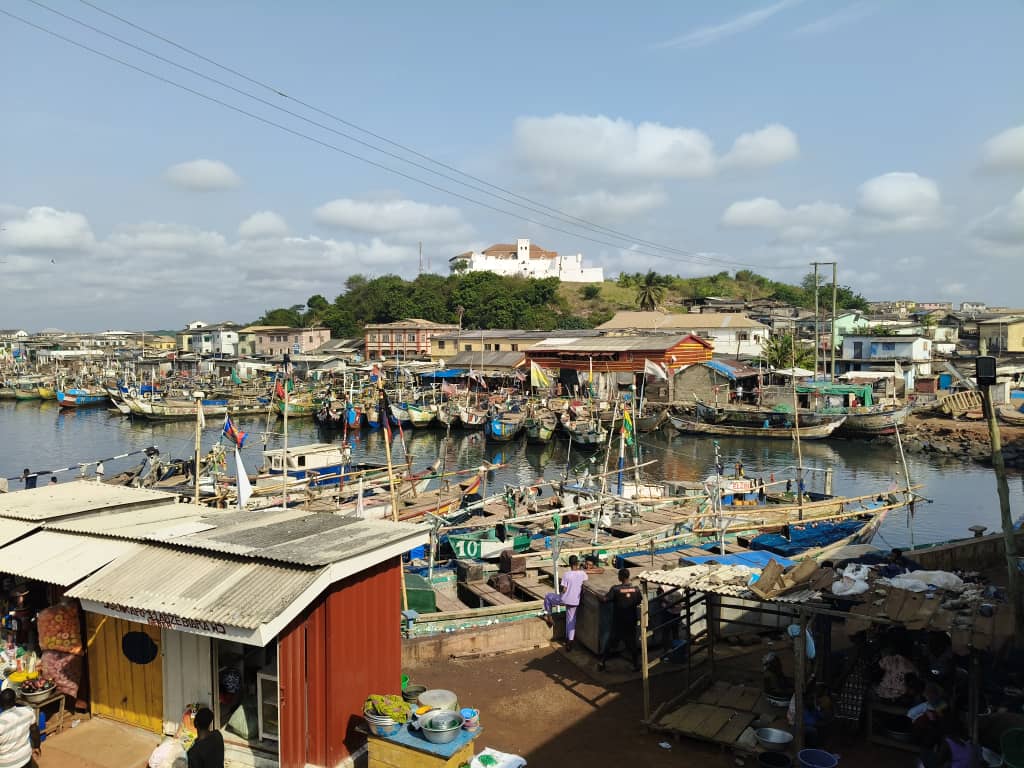
The Cape Coast Castle and Elmina Castle tour is the country's signature experience — walking the dungeons where captives were held before the transatlantic crossing is presented directly, without softening, and it's one of the most important historical sites in the country's — and the diaspora's — story. Kakum National Park's canopy walkway puts you 40 meters above the rainforest floor on a series of suspension bridges. In Kumasi, the Ashanti king's Manhyia Palace still holds the Golden Stool, the seat of a kingdom that predates the modern Ghanaian state. December brings the "Year of Return"-style homecoming events and Afrochella; outside that window, the Homowo harvest festival runs each August in Accra.
Nigeria: the one with the most energy — and the most misunderstood
Best for: travelers who want big-city culture, food, and music at the source, and who are willing to do a little more homework on where to go.
Trade-off: Nigeria's international reputation is worse than the actual experience in the cities tourists visit — you'll need to look past the headlines, and you do need to be specific about which regions you're in.
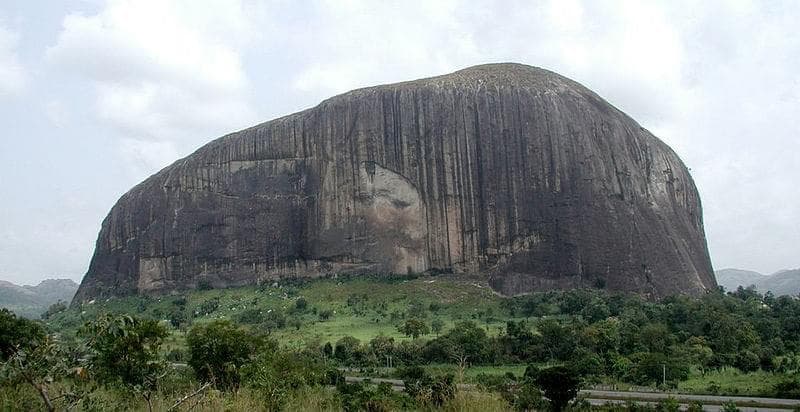
Lagos is where Afrobeats, Nollywood, and a huge share of West Africa's contemporary culture actually comes from. It's also Africa's largest city by some measures, and it moves fast — traffic and heat are the real day-to-day friction, not danger, in the areas visitors actually go (Victoria Island, Ikoyi, Lekki). Abuja, the capital, is calmer and more planned. Abeokuta, an hour or so outside Lagos, has Olumo Rock — a rock formation used defensively by the Egba people, and the birthplace of Nobel laureate Wole Soyinka. Osun-Osogbo's sacred grove hosts an August festival drawing Yoruba worshippers from across the diaspora.
The honest caveat: US and UK government advisories do flag real risk in Nigeria's North East and North West — this is genuine and shouldn't be waved away. It's also geographically distant from Lagos, Abuja's tourist areas, Abeokuta, and Calabar, which is why operators who run tours in the country route around those regions entirely rather than treating "Nigeria" as one undifferentiated risk zone. We've written a full breakdown of this region-by-region on our Nigeria destination guide.
Benin: small, dense with history, genuinely different
Best for: travelers drawn to spiritual and colonial-era history who want a trip they can cover thoroughly in under a week.
Trade-off: French-speaking, with less tourism infrastructure than Ghana — a guide or tour is more useful here than in Ghana, less optional.
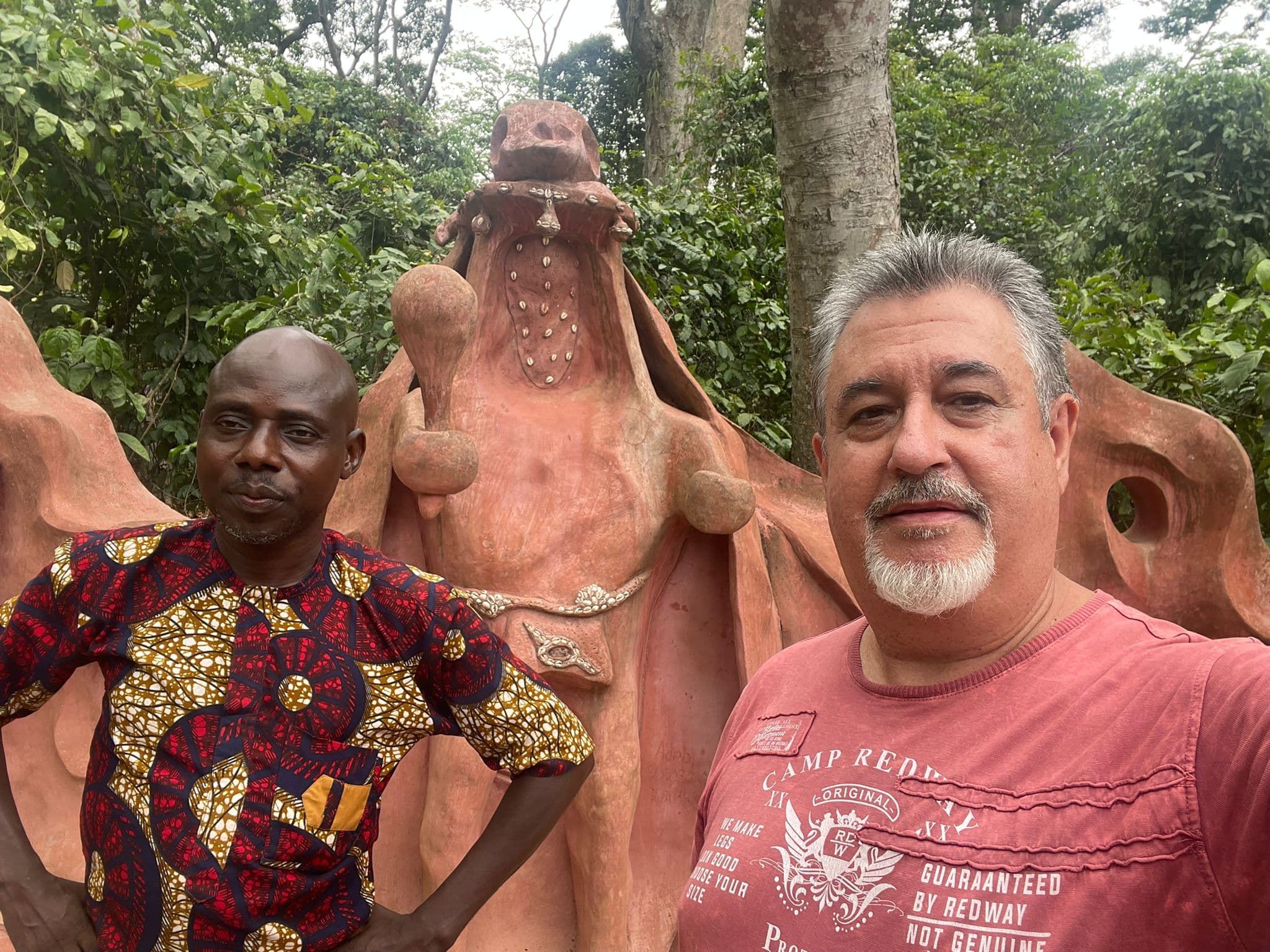
Benin is the birthplace of Voodoo as a formal religion — not a horror-movie stereotype, but an officially recognized faith practiced openly, most visibly at the National Voodoo Festival in Ouidah, held every year on the second Friday of January. Ouidah's Door of No Return marks the point where captives left the continent during the slave trade; the Route des Esclaves leading to it is walked in near-silence by most visitors. The Royal Palaces of Abomey, seat of twelve kings of the Dahomey Kingdom, still stand. Ganvié, a village of roughly 30,000 people built on stilts over Lake Nokoué to escape 17th- and 18th-century slave raiders, is reachable by boat from Cotonou in about an hour — we cover it in full in our complete Ganvié guide.
Togo: the connector country
Best for: adding real variety to a Ghana or Benin trip without adding much travel time — Togo sits between the two.
Trade-off: on its own, Togo is thinner on must-see sites than the other three — it earns its place as part of a combined itinerary, not usually as a standalone destination.
Lomé is the only West African capital that borders the sea directly, and its Akodessewa Fetish Market is one of the most striking (and least sanitized) Voodoo markets in the region — traditional remedies, spiritual items, and practicing herbalists, not a tourist recreation. Kpalimé, a few hours inland, is coffee and cocoa country, with waterfalls and butterfly sanctuaries. Togo's real value on a first trip is logistical: it sits geographically between Ghana and Benin, so a Ghana–Togo–Benin or Nigeria–Benin–Togo–Ghana route adds a genuinely different day or two without a long detour.
How do you combine countries into one trip?
Most first-time visitors we work with don't pick just one of these four — they combine two or three, because the countries sit close enough together that a single guided trip can move through several without the logistics falling apart. Two combinations come up most:
- Ghana → Togo → Benin. A coastal route with one clear historical throughline (slave-trade heritage in Cape Coast and Ouidah) and a natural stop in Lomé between them.
- Nigeria → Benin → Togo → Ghana. The fuller version — Lagos energy, Ouidah's Voodoo sites, Lomé's market, and Cape Coast's history in one nine-day loop. This is our 9-Day West Africa multi-country tour, built around exactly this route.
If you'd rather stay in one country and go deeper, our Ghana December tour and 8-Day Voodoo Festival Tour (Togo & Benin) are built for that instead.
What should you read next?
Not sure which country to start with?
That's normal — and it's exactly the kind of question worth asking a person who actually runs tours here, rather than guessing from a blog post. Get a custom quote and tell us your dates, interests, and budget, and we'll tell you honestly which of these countries — or which combination — fits your trip best.
---
Frequently asked questions
Is West Africa safe for first-time travelers?
Broadly yes in the areas tourists actually visit — Ghana's south, Lagos and Abuja in Nigeria, southern Benin, and Togo's south — provided you take normal precautions and, ideally, travel with a local guide for your first trip. Nigeria's North East and parts of the North West carry real, elevated risk per US and UK advisories and are not areas any reputable operator routes tours through.
What's the best time of year to visit West Africa?
November through March, the dry season across all four countries, is the most reliable window — cooler, less humid, and easier for outdoor sites like Kakum's canopy walk or a Ganvié boat trip. If the Voodoo Festival is a priority, the national festival in Ouidah falls on the second Friday of January (8 January in 2027), so confirm the date before booking flights.
Do I need multiple visas to visit more than one country?
Usually yes — Ghana, Nigeria, Benin, and Togo each require their own visa or e-visa for most non-ECOWAS nationalities, and requirements change periodically. Confirm current requirements with each country's embassy or a visa service before booking flights; this is genuinely one of the more time-consuming parts of planning a multi-country trip yourself, and it's a large part of why people book it guided instead.
How many days do I need?
A single country (Ghana or Benin) is worth 5–9 days to see properly without rushing. A multi-country trip covering 2–4 of these countries typically runs 8–13 days, depending on how many stops you want.
Is West Africa good for solo travelers?
Yes, especially in Ghana, and increasingly common in Nigeria and Benin too — but the calculus is different from solo travel in, say, Southeast Asia. Infrastructure for independent backpacker-style travel is thinner, French-language countries add friction for English-only speakers, and a local guide meaningfully changes what's accessible to you (markets, festivals, communities) versus what you'll see from the outside. Most solo first-timers we see do a guided trip for exactly this reason.